Archives: Explore Pakistan
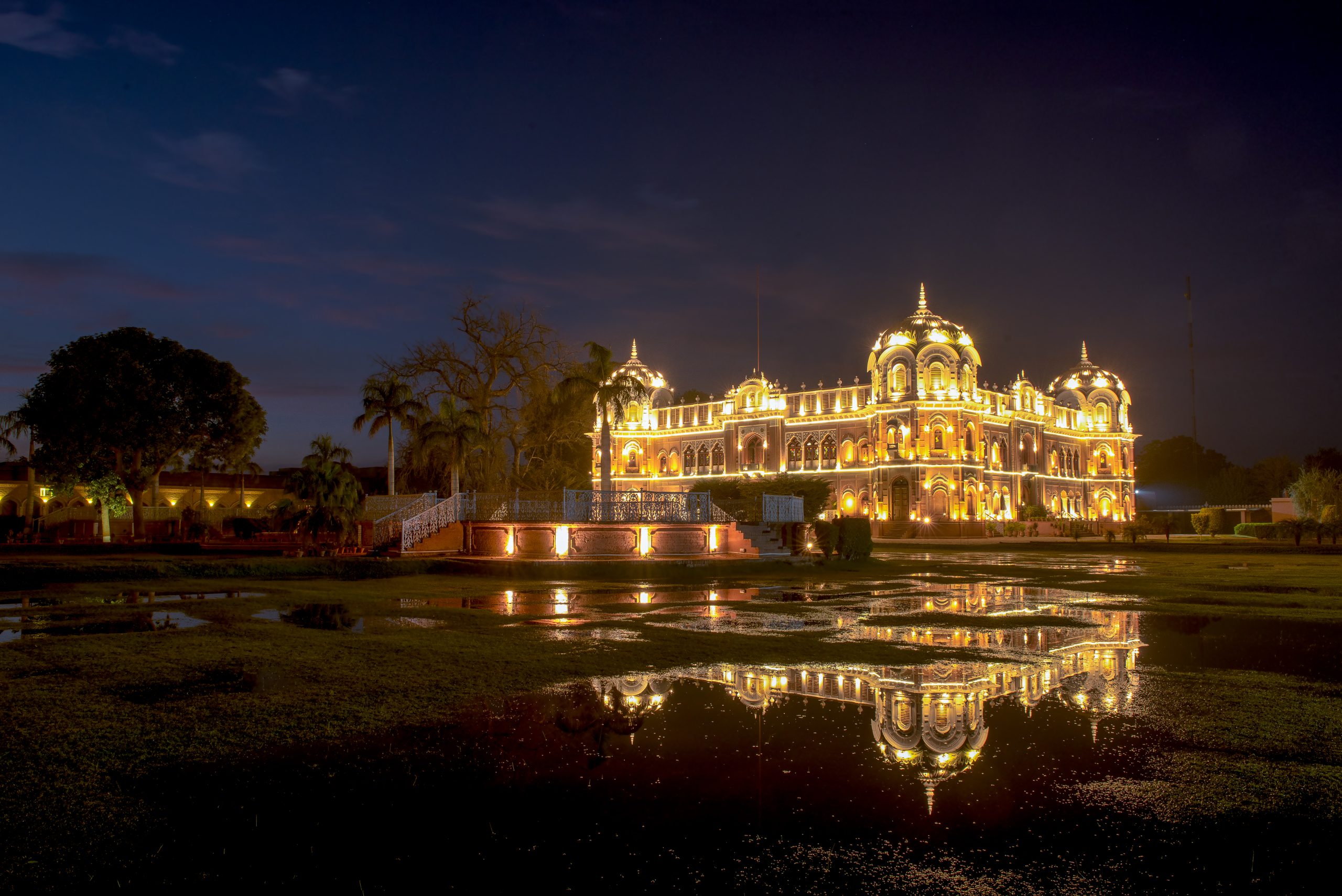
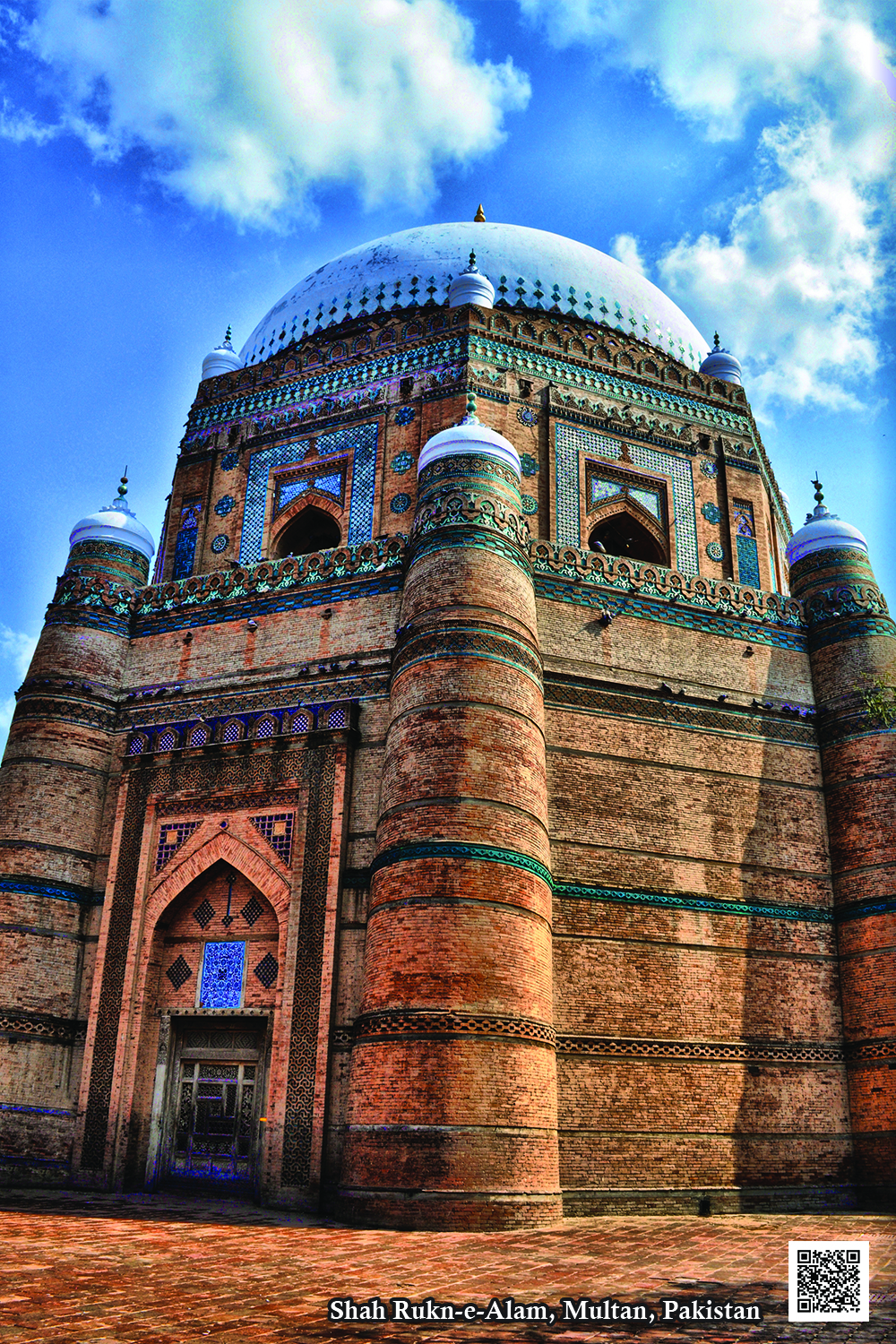
Shah Rukn e Alam is a beautiful example of Islamic architecture located in Multan, Pakistan. It was built in the 14th century to honour the Sufi saint, Shah Rukn-e-Alam, who lived during the Tughlaq dynasty. The mausoleum is constructed of baked bricks and decorated with blue and turquoise tiles. The dome of the mausoleum is one of the largest in the world, measuring 51 feet in diameter and 100 feet in height. The interior of the mausoleum is decorated with intricate calligraphy and geometric patterns. The mausoleum is considered a significant cultural heritage site and attracts tourists and pilgrims from all over the world.
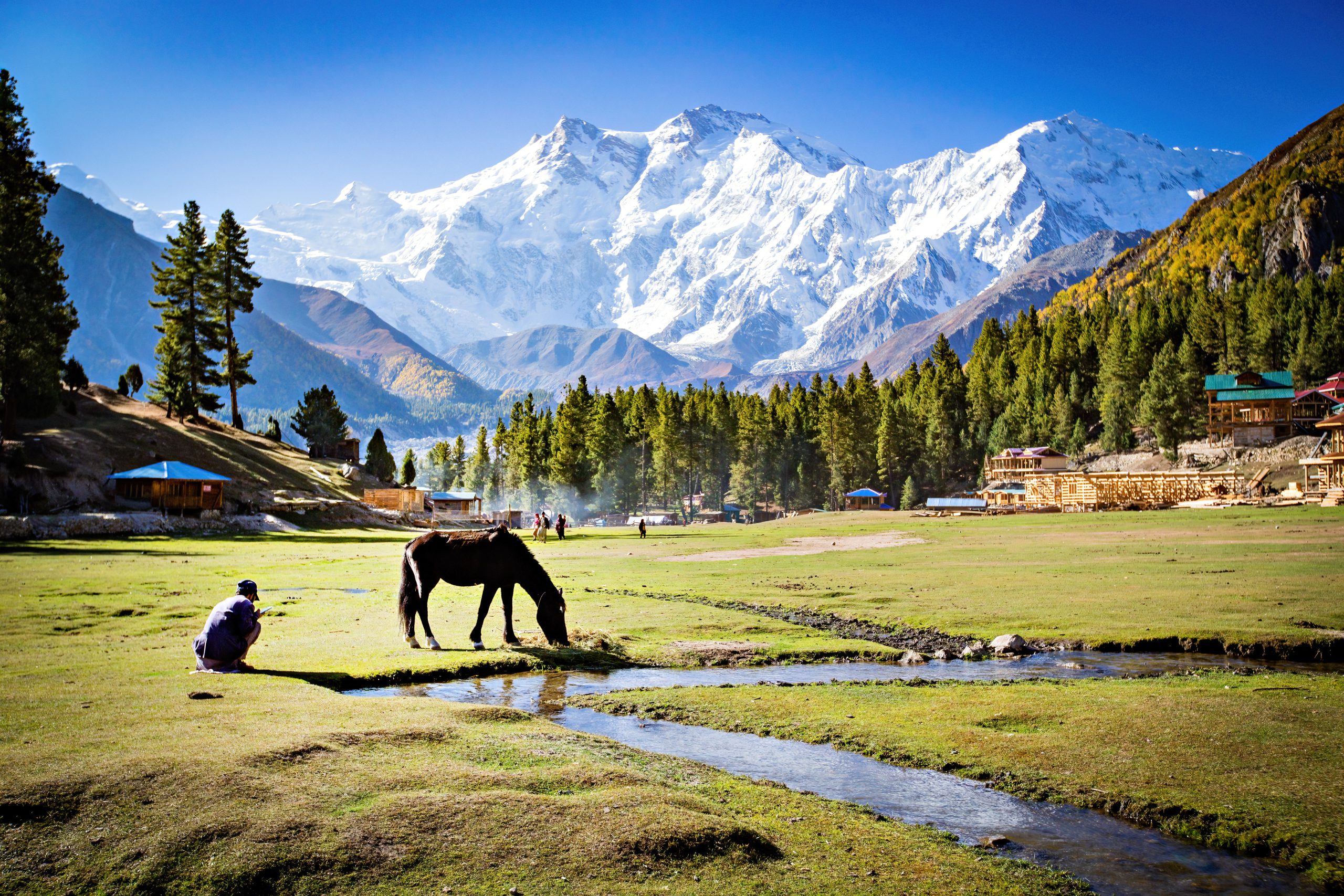
Rakaposhi is a mountain located in the Karakoram Mountain range in the Gilgit-Baltistan region of Pakistan. With an elevation of 7,788 meters (25,551 feet), it is the 27th highest mountain in the world and the 12th highest in Pakistan. The name Rakaposhi means “shining wall” in the local language, which is a fitting name given its majestic appearance. Rakaposhi is a popular destination for mountaineers, trekkers, and adventure enthusiasts, offering a range of challenging routes and stunning views of the surrounding mountains and valleys. The mountain is also visible from the Karakoram Highway, one of the highest paved roads in the world, making it a popular attraction for tourists and travellers as well.

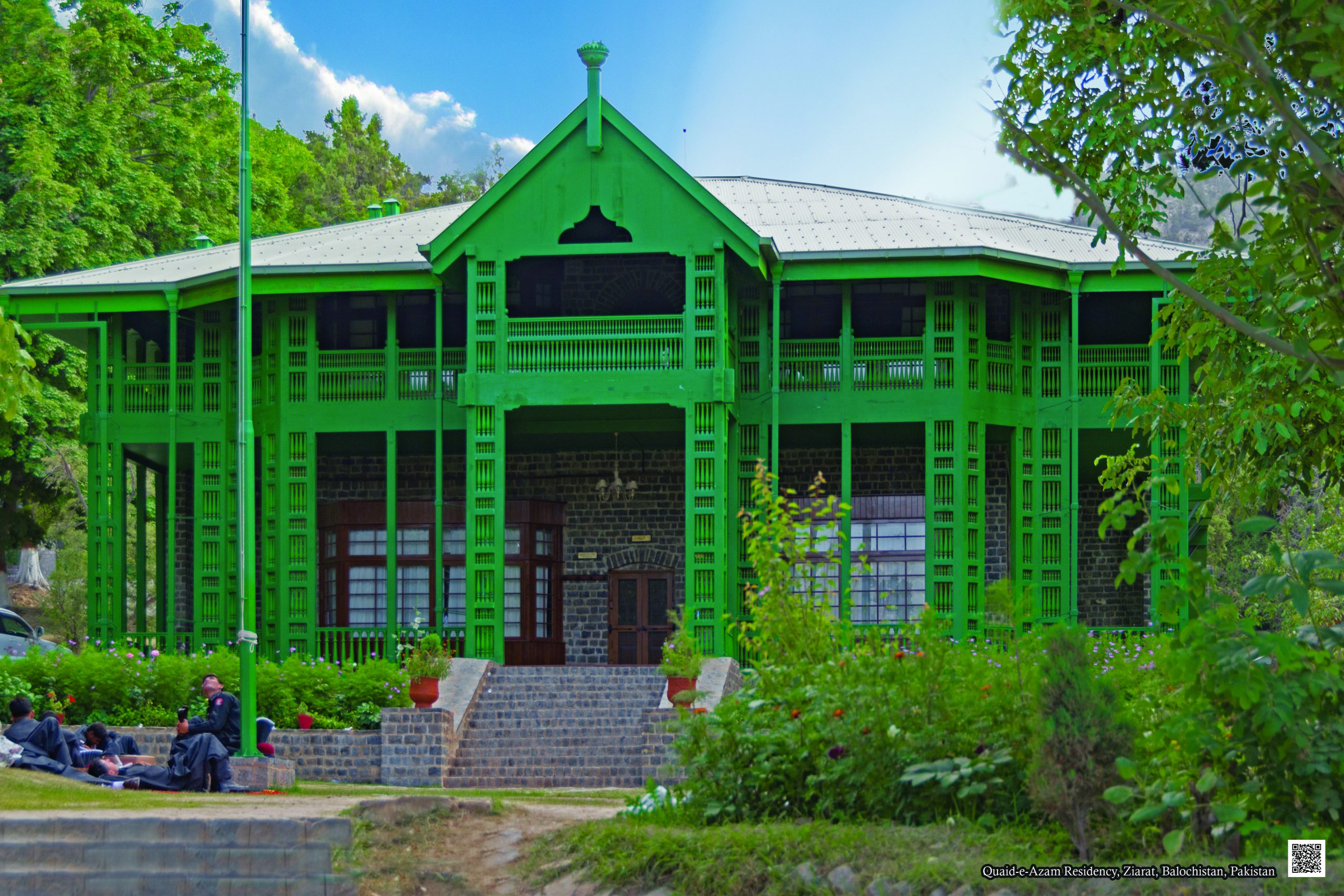
Quaid e Azam Residency is a historical site located in Ziarat, Baluchistan, Pakistan. The site was the summer residence of Quaid-e-Azam Muhammad Ali Jinnah, the founder of Pakistan. The residency is now a national monument and museum, displaying artifacts and personal belongings of Quaid-e-Azam. The site is surrounded by beautiful gardens and offers stunning views of the surrounding mountains. The residency is an important landmark in Pakistan’s history and attracts visitors from all over the country. The site is also a symbol of the country’s struggle for independence and a tribute to the vision and leadership of Quaid-e-Azam.
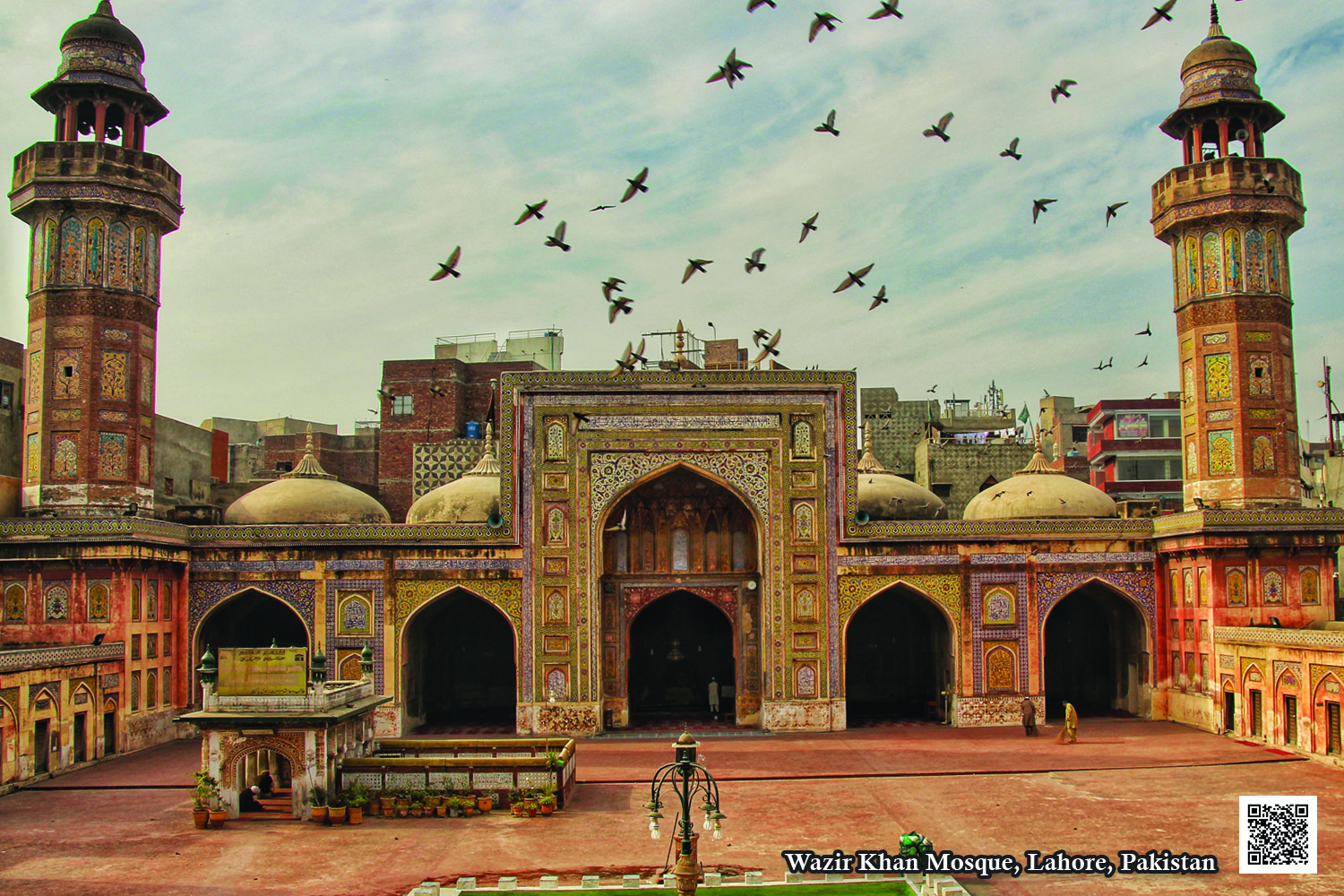
Masjid Wazeer Khan is a famous mosque located in the city of Lahore, Pakistan. The mosque was built in the 17th century by the Mughal governor of Punjab, Ilmuddin Ansari. The mosque is known for its stunning architecture, intricate tile work, and beautiful calligraphy. The walls of the mosque are adorned with frescoes and Quranic inscriptions, making it a true masterpiece of Mughal-era art and design. The mosque is also surrounded by several notable landmarks, including the Lahore Fort and the Badshahi Mosque, making it a popular destination for tourists and history buffs alike.
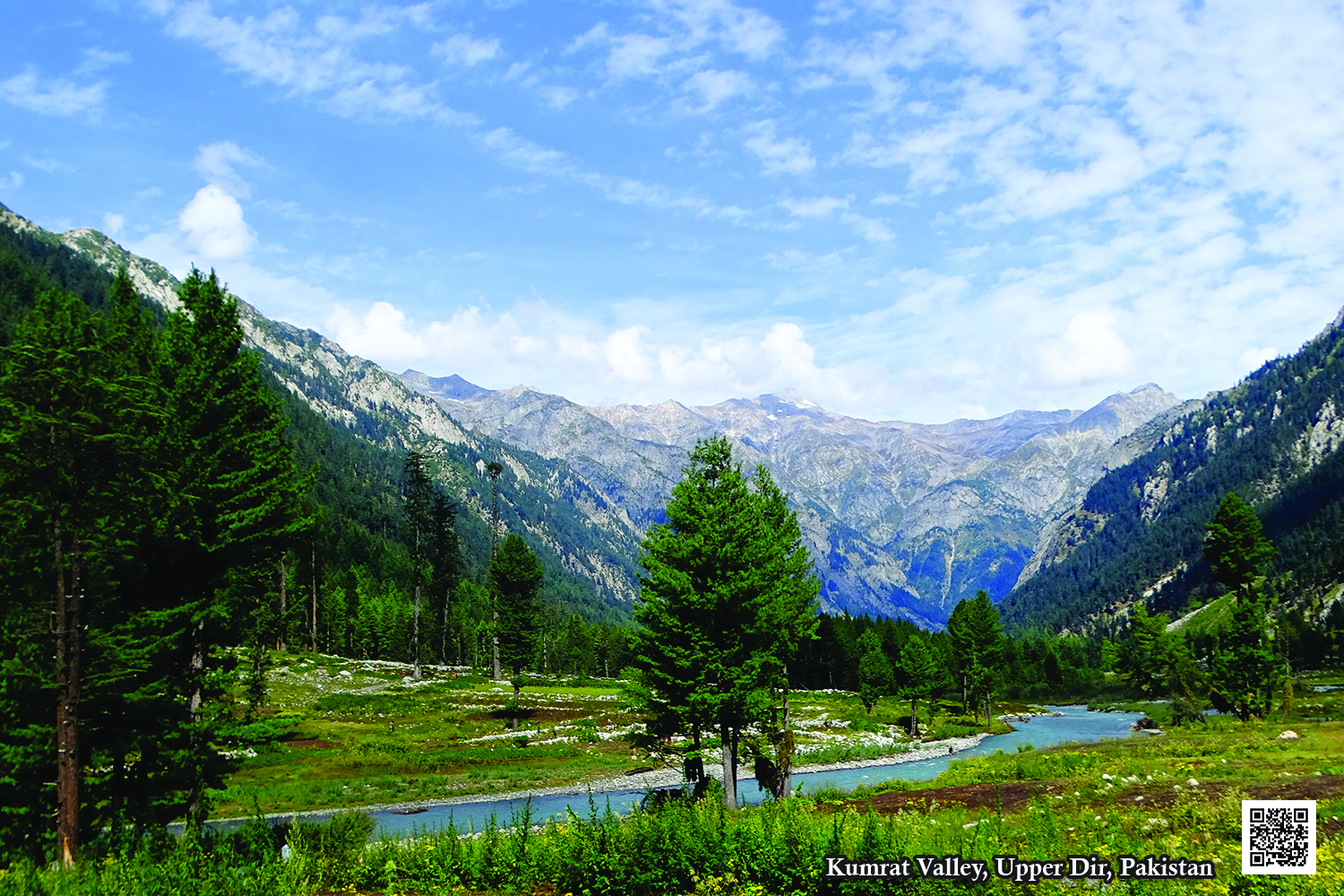
Kumrat Valley is a picturesque valley located in the Upper Dir district of Khyber Pakhtunkhwa, Pakistan. The valley is known for its pristine beauty, with crystal-clear streams, lush green meadows, and snow-capped peaks. The area is home to several unique species of flora and fauna, including the Himalayan musk deer and the snow leopard. Kumrat Valley is a popular destination for trekkers, hikers, and nature lovers, offering a range of outdoor activities such as camping, fishing, and rafting. The valley is relatively undiscovered and unspoiled, making it an ideal destination for those seeking an off-the-beaten-path adventure.
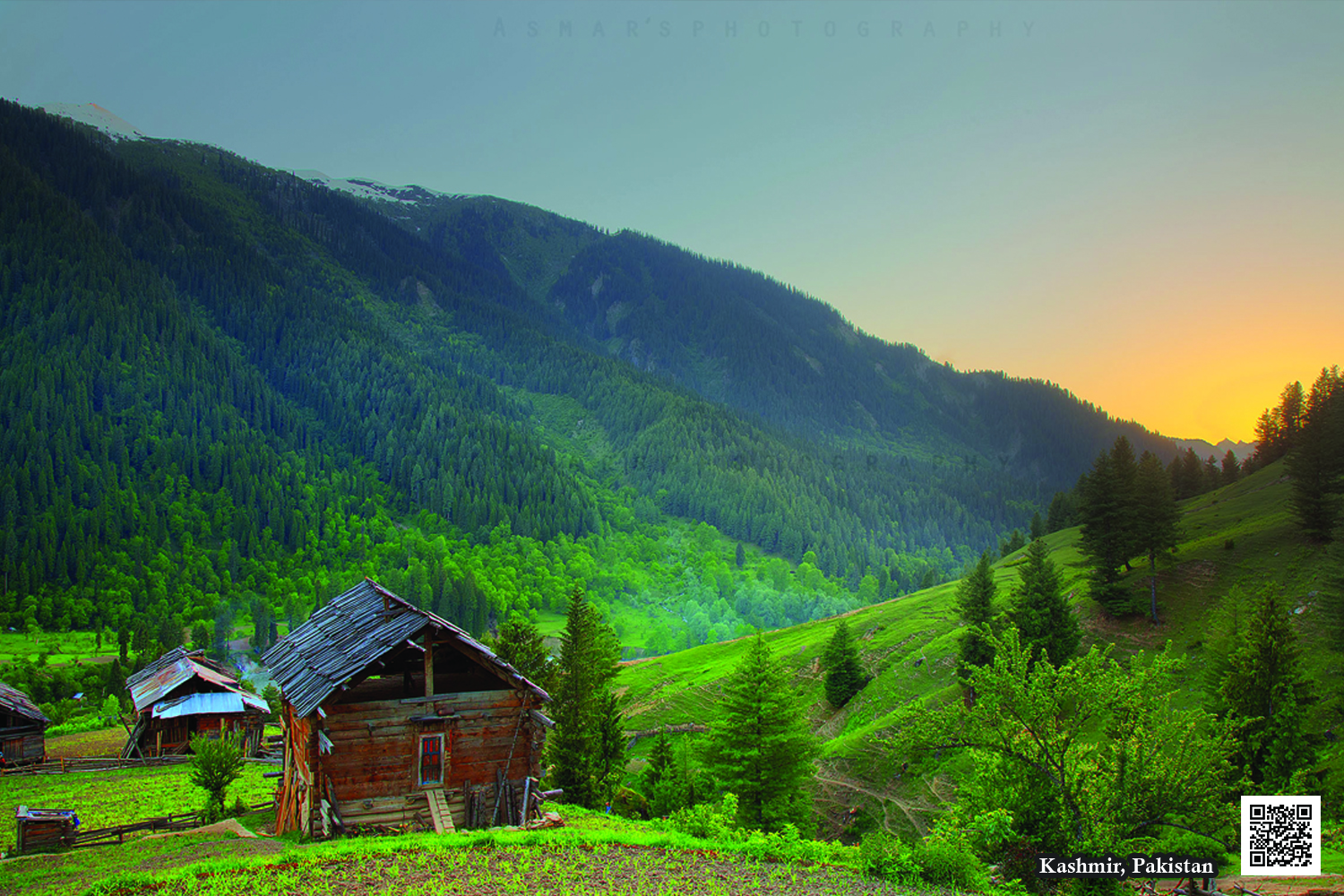
Kashmir is a region in South Asia that is administered by three countries – Pakistan, India, and China. The Pakistan-administered part of Kashmir, also known as Azad Jammu and Kashmir (AJK), is a mountainous region that is famous for its stunning natural beauty, including snow-capped peaks, glaciers, lakes, and rivers. The area is a popular destination for adventure enthusiasts and nature lovers, offering a range of activities such as hiking, skiing, fishing, and rafting. Kashmir is also known for its rich culture, history, and traditions, and is home to several notable landmarks, including the Muzaffarabad Fort, Pir Chinasi, and the Neelum Valley.
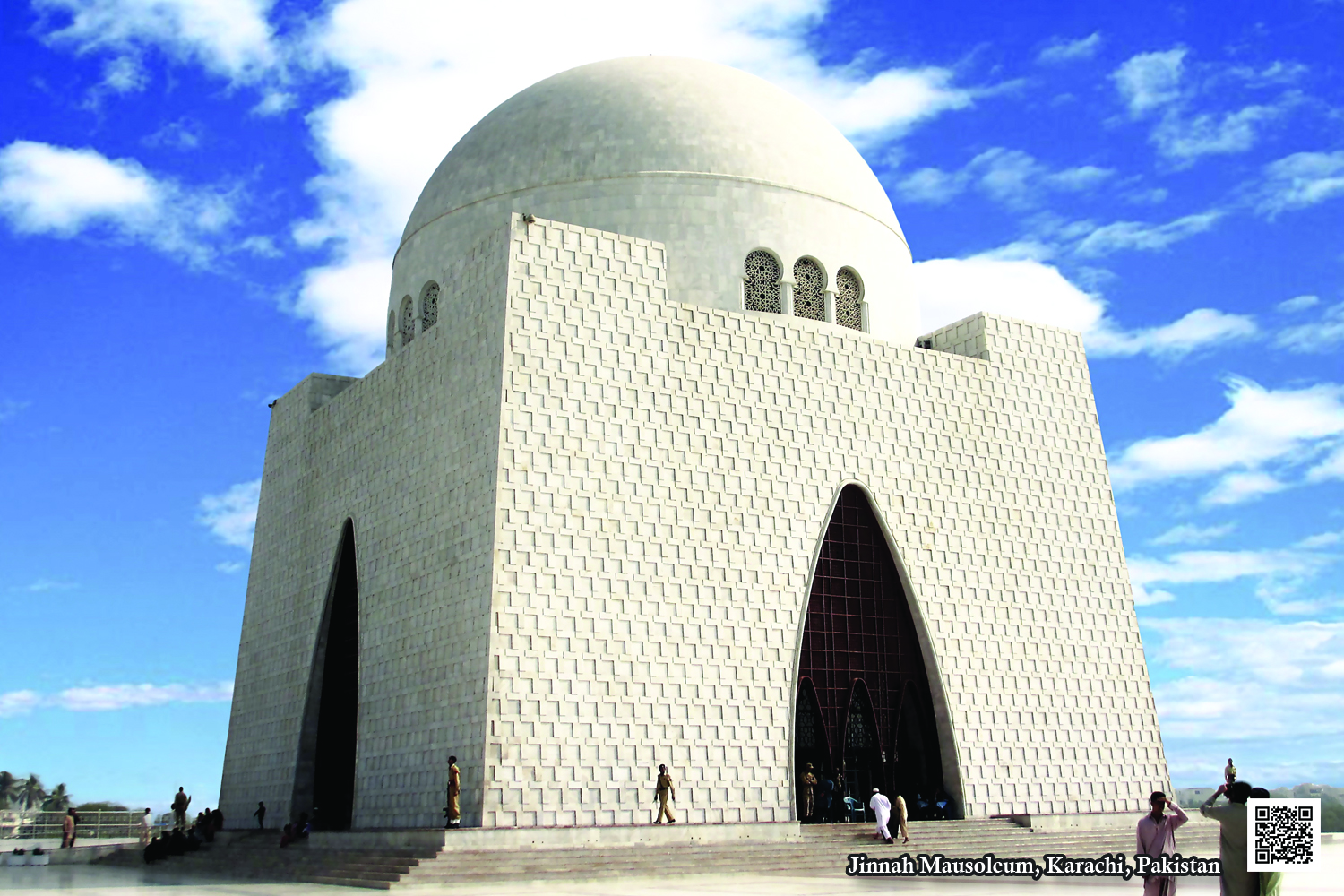
Jinnah Mausoleum is a national monument located in Karachi, Pakistan. It is the final resting place of Quaid-e-Azam Muhammad Ali Jinnah, the founder of Pakistan. The mausoleum was completed in 1970 and is made of white marble. The structure is an iconic landmark of the city and attracts visitors from all over the world. The mausoleum is surrounded by a beautiful park and is situated on a hill overlooking the Arabian Sea, offering breath-taking views of the cityscape. The tomb is a symbol of the country’s struggle for independence and a tribute to the vision and leadership of Quaid-e-Azam.