Archives: Explore Pakistan
Pakistan Monument in Islamabad was built in 2007 to commemorate Pakistan’s founding and independence struggle. The flower-shaped monument has four main petals for the provinces and three smaller ones for the territories. It houses a museum, auditorium, and library showcasing Pakistan’s history and culture. The monument is a popular tourist destination and symbolizes Pakistani unity and diversity.

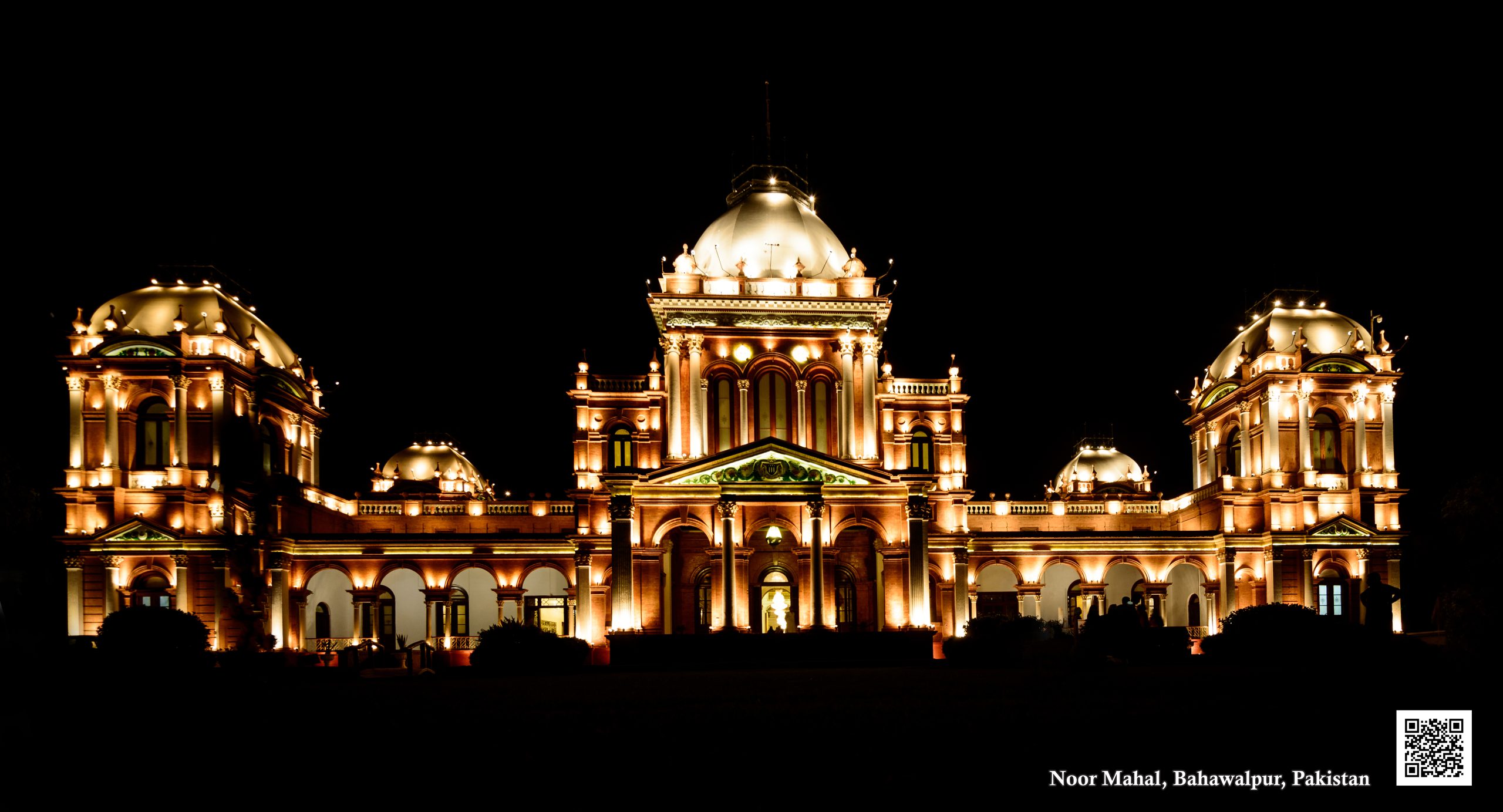
Noor Mahal is a beautiful palace located in Bahawalpur, Pakistan. It was built in 1875 by Nawab Sadiq Muhammad Khan IV, the ruler of Bahawalpur State, as a summer residence for his wife. The palace is a blend of Islamic, European, and Indian architectural styles and features a grand entrance, ornate balconies, and a large courtyard. Today, it has been converted into a hotel and is a popular tourist attraction due to its unique architecture and historical significance. Visitors can tour the palace and stay in its luxurious rooms to experience the grandeur of the Nawab era.
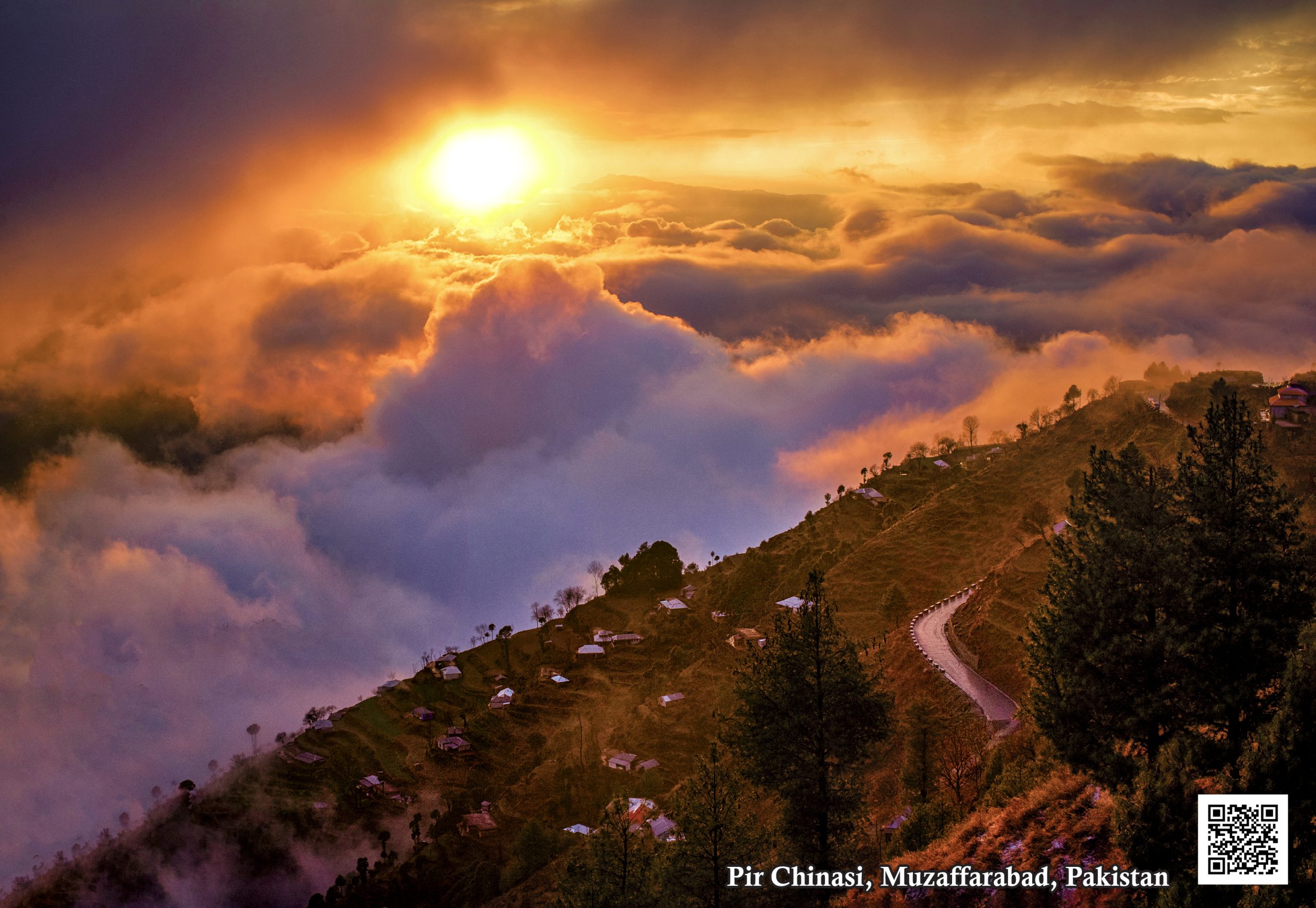
Pir Chinasi is a mountain peak located in the Pir Panjal range in the Kotli district of Azad Jammu and Kashmir, Pakistan. It is a popular tourist destination due to its scenic beauty and spiritual significance. The peak is named after a Sufi saint, Pir Chinasi, who is believed to have meditated on the mountain. It offers stunning views of the surrounding landscape, including the Jhelum River and the Kashmir Valley. Visitors can reach the top by hiking or taking a jeep ride to the base camp. At the top, there is a shrine and a small market selling local handicrafts.
Minar-e-Pakistan is a national monument located in Iqbal Park, Lahore, Pakistan. The tower was built in the 1960s to commemorate the Lahore Resolution of 1940, which led to the creation of Pakistan. The 70-meter (230 feet) tall tower is constructed of reinforced concrete and features a blend of Mughal and modern architectural styles. It is a popular tourist destination and a symbol of Pakistani nationalism. The base of the tower houses a museum that showcases the history of the Pakistan Movement.

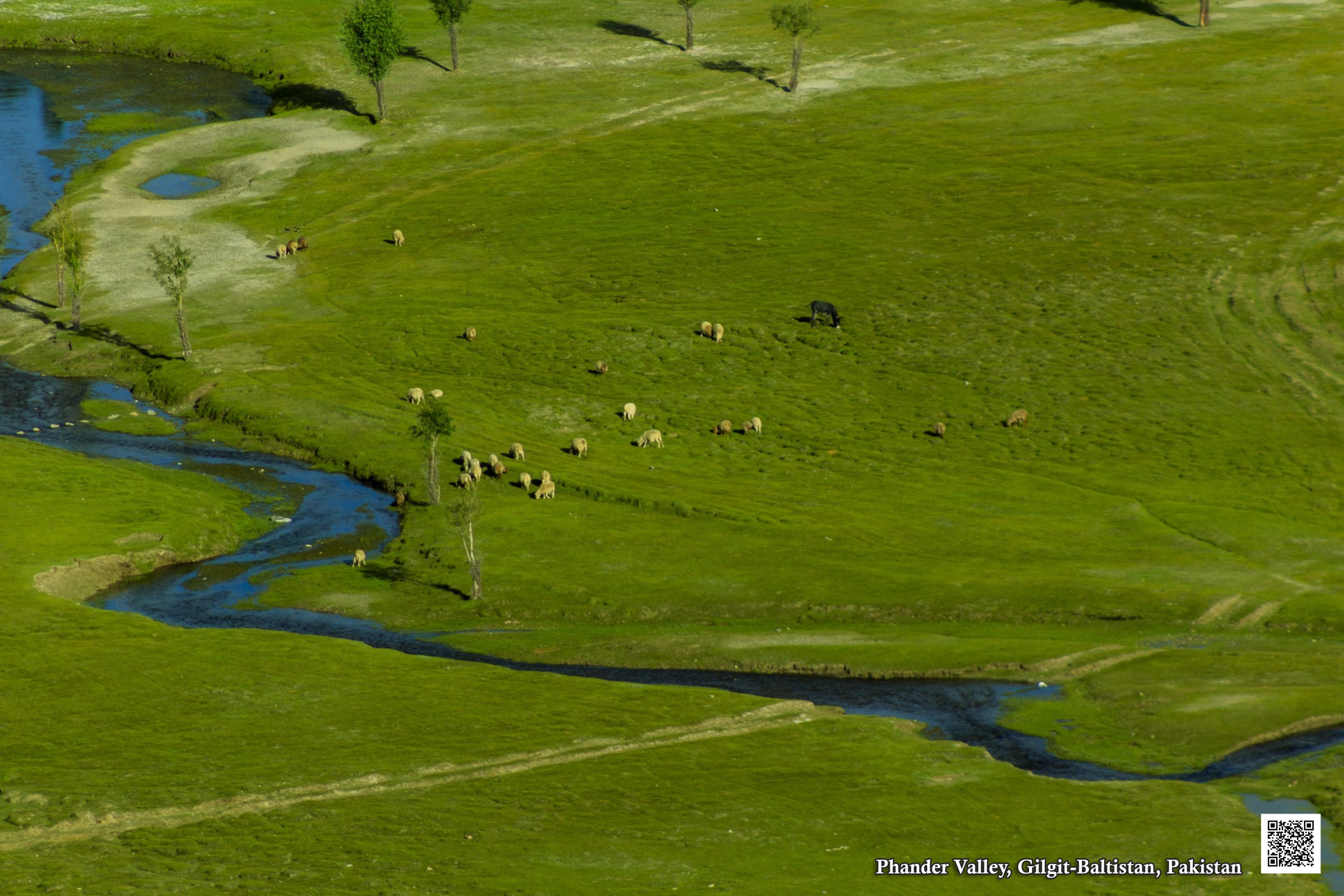
Phander Valley is a beautiful valley located in the Ghizer district of Gilgit-Baltistan region in northern Pakistan. It is renowned for its stunning landscapes, alpine meadows, and the crystal clear Phander Lake, which is a popular destination for fishing. The valley is surrounded by snow-capped peaks, glaciers, and lush green forests, and is an ideal place for trekking and camping. It is also home to a variety of wildlife, including ibex, markhor, and snow leopard.
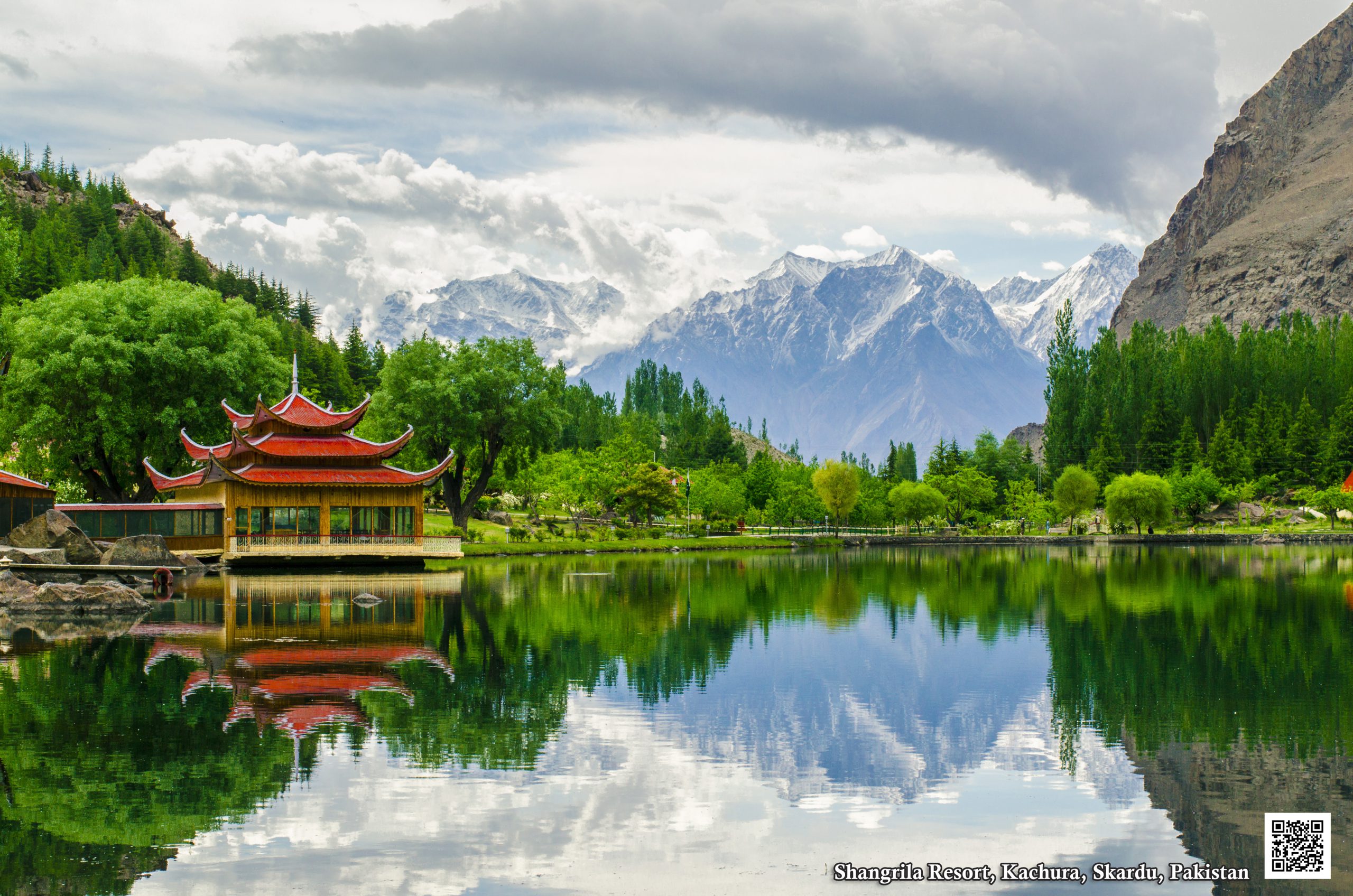
Shangrila is a popular tourist resort located in the Skardu district of Gilgit-Baltistan region in northern Pakistan. It is situated at an altitude of approximately 2,500 meters (8,200 feet) above sea level and offers breath-taking views of the surrounding snow-capped mountains, glaciers, and lakes. The resort features a variety of accommodations, including luxury hotels, cottages, and campsites, and offers a range of activities such as trekking, hiking, boating, and fishing. Shangrila is a popular destination for both local and international tourists, who come to experience the natural beauty and serenity of the area.
Lahore Fort also known as Shahi Qila, is a historical fortress located in the heart of Lahore city in Pakistan. It was constructed in the 16th century during the Mughal era and served as a residence for the emperors of the time. The fort features a blend of Mughal and Sikh architectural styles, including impressive gateways, gardens, and pavilions. Today, it is a popular tourist attraction and has been designated as a UNESCO World Heritage Site due to its cultural significance and historical value.
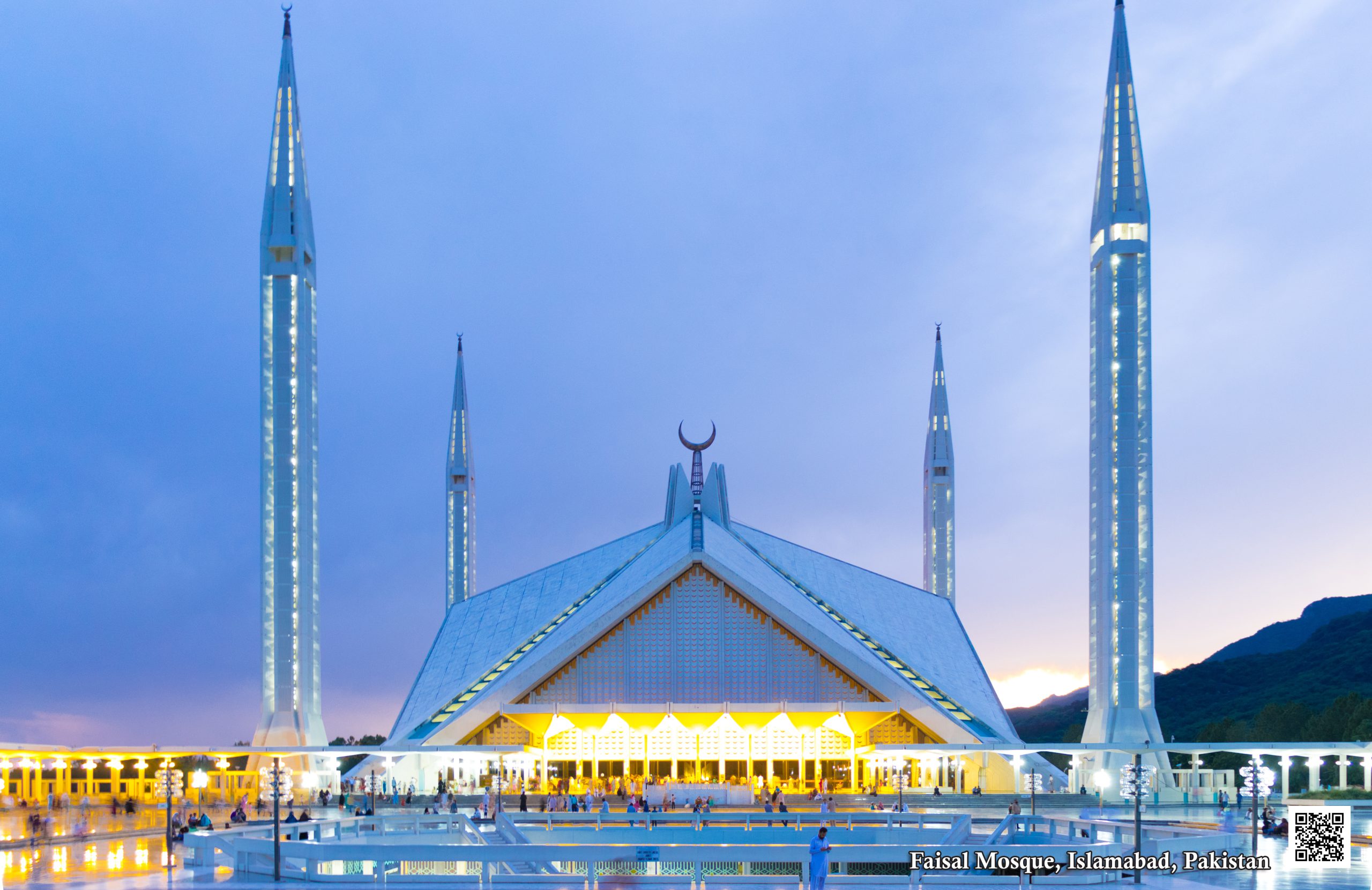
Faisal Mosque is a modern Islamic Mosque located in Islamabad, the capital city of Pakistan. It was completed in 1986 and named after King Faisal bin Abdul Aziz of Saudi Arabia, who funded its construction. The mosque is known for its unique design, which features a contemporary style with traditional Islamic elements such as domes, minarets, and arches. The mosque is one of the largest in the world, with a capacity to hold up to 100,000 worshippers, and is a popular tourist attraction in Islamabad.
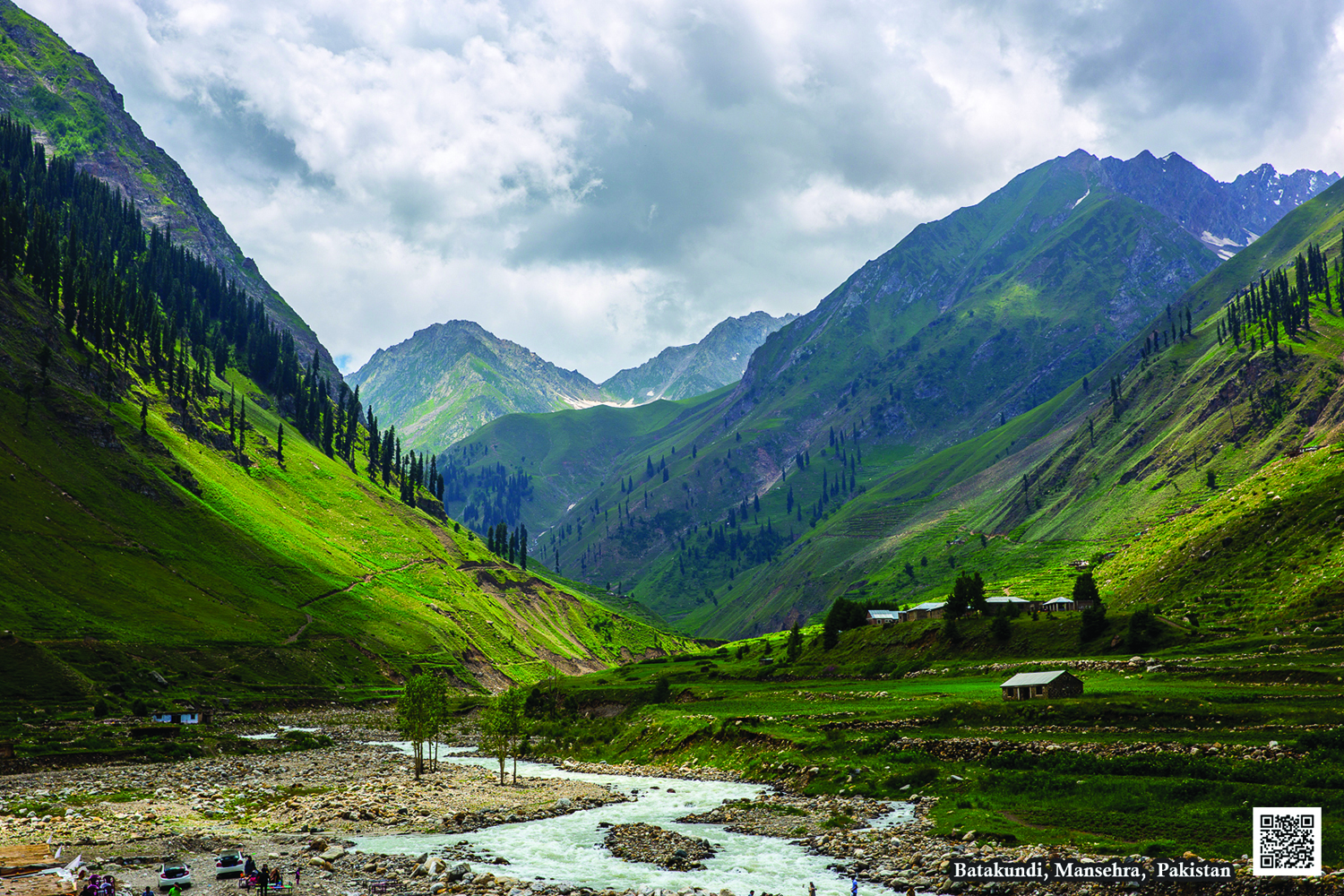
Batakundi is a small but scenic village located in the Mansehra district of Pakistan’s Khyber Pakhtunkhwa province. It is situated at an elevation of over 8,000 feet and is surrounded by the magnificent Himalayan mountains. The village is a popular tourist destination, particularly for trekking and hiking enthusiasts who come to explore the nearby trails and peaks. Batakundi is also known for its vibrant culture, traditional music, and handicrafts, which attract many visitors to the area.
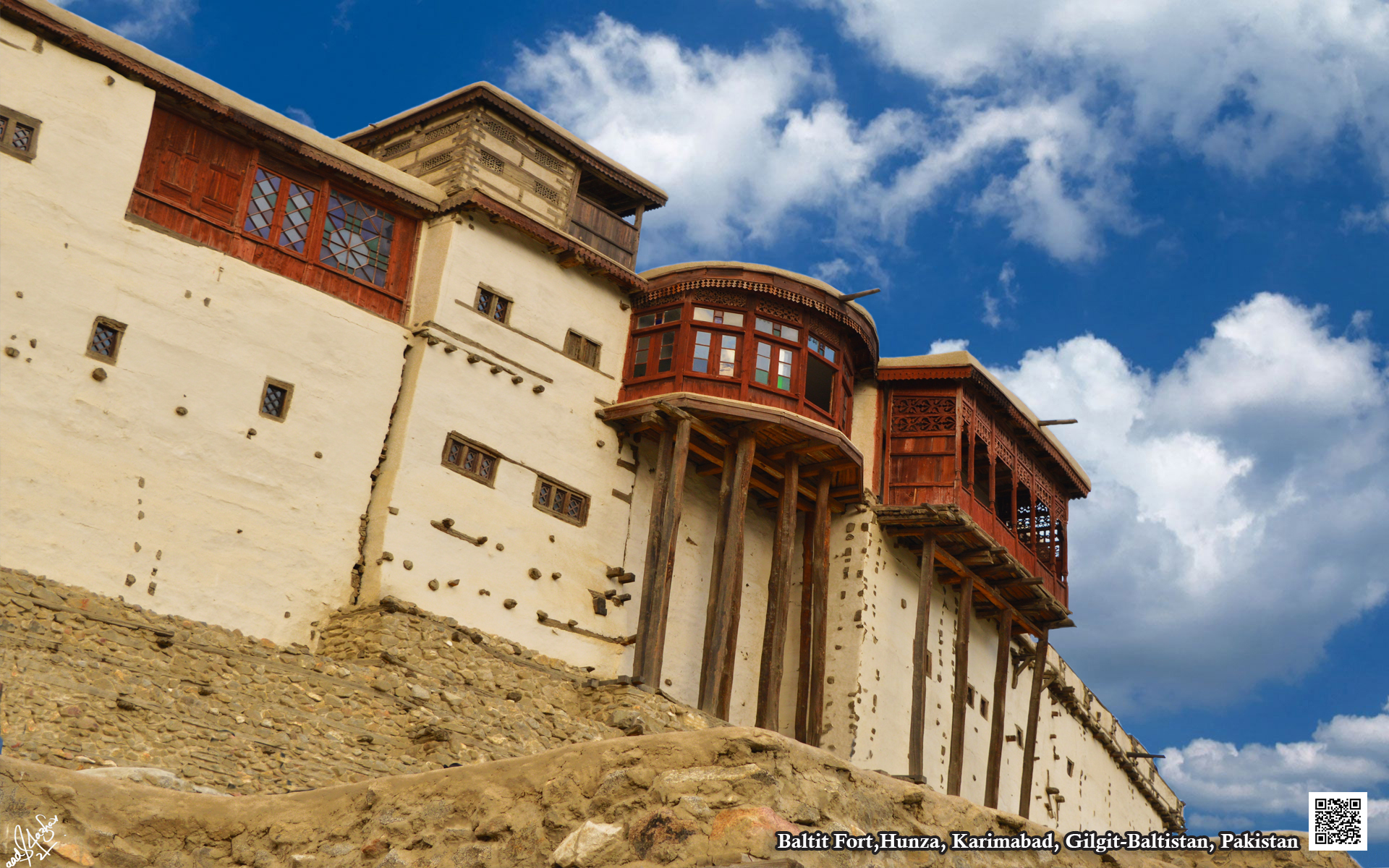
Baltit Fort is a fort in the Hunza valley, near the town of Karimabad, in the Gilgit-Baltistan region of northern Pakistan. Founded in the 8th century CE, it has been on the UNESCO World Heritage Tentative list since 2004.
The Mirs of Hunza abandoned the fort in 1945, and moved to a new palace down the hill. The fort started to decay which caused concern that it might possibly fall into ruin. Following a survey by the Royal Geographical Society of London a restoration programme was initiated and supported by the Aga Khan Trust for Culture Historic Cities Support Programme. The programme was completed in 1996 and the fort is now a museum run by the Baltit Heritage Trust.